

INEC’s AI voter register: ‘It’s not Tinubu’s fault, he shouldn’t be called’ – Sam Amadi
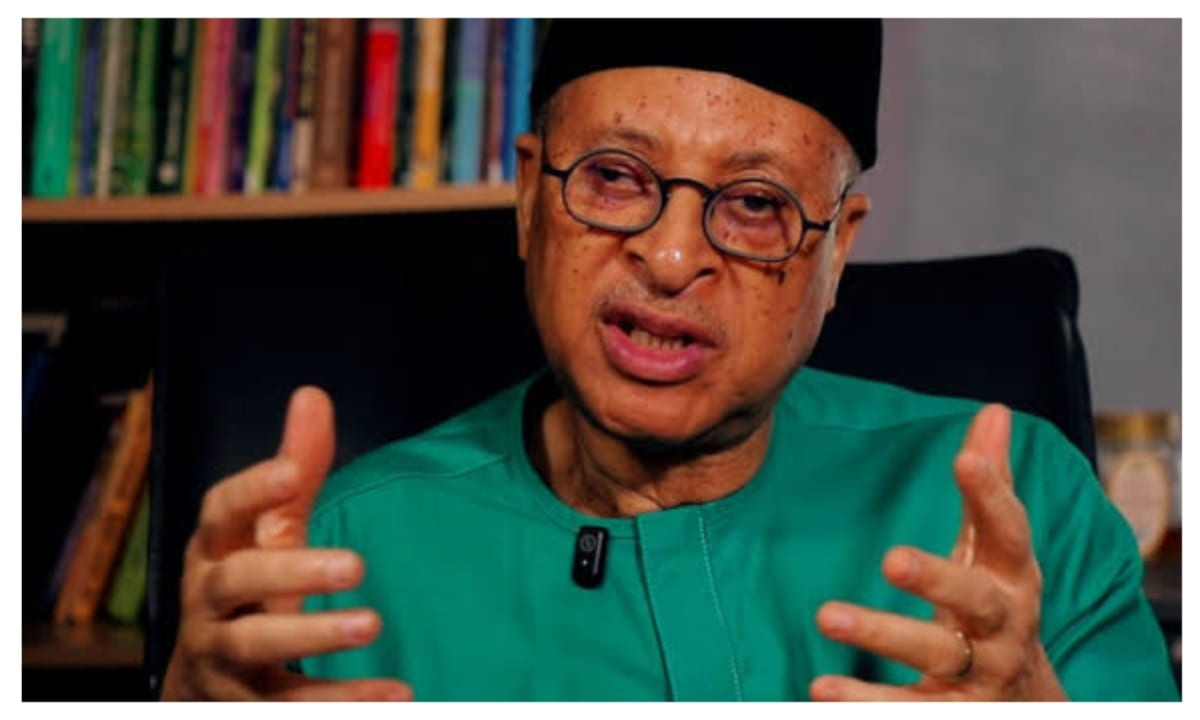
The Director of the Abuja School of Social and Political Thought, Dr Sam Amadi has said President Bola Tinubu should not be blamed for the controversy surrounding the voter register recently released by the Independent National Electoral Commission, INEC.
Amadi maintained that the responsibility for addressing the alleged irregularities in the voters register rests with INEC, insisting that the President should be treated like every other political competitor.
Speaking during an interview on Arise News, he argued that the President has no direct responsibility for managing the electoral process and should not be expected to intervene in the commission’s affairs.
He said, “This is where the parties should come in. Look, the voter register is the most important document framework mechanism for credible election. It’s what the BVAS works on.
“So I think the first thing is the INEC chairman himself coming out to say, you know what, we are going to do an independent audit.
“This one is not from Mr President. The president is a competitor, so don’t ask the president to come and do anything.
“It’s not the president’s fault. The president is judged like every competitor. If the regulator has screwed up, the regulator should clear the mess.”
According to him, INEC is the institution responsible for overseeing every aspect of elections in Nigeria, including the activities of its permanent and ad hoc staff.
Amadi expressed concern that the controversy could undermine the growing interest among Nigerians, particularly young people, in participating in elections. He noted that there had been an encouraging increase in citizens’ willingness to vote and a reduction in voter apathy.
He, however, warned that the latest development could weaken public confidence in the electoral process, stressing that INEC must avoid anything capable of creating distrust ahead of the next general election.
The political analyst recalled that INEC’s current leadership started its tenure under difficult circumstances, particularly regarding public confidence in the commission, and said rebuilding its credibility should be a major priority.
He urged the commission to accept responsibility for the controversy, apologise to Nigerians and establish a clear timeline explaining how it intends to clean up and verify the voters register.
Amadi raised concerns over allegations of suspicious increases in the number of registered voters in some polling units, including claims that figures had risen from about 400 to 1,500.
He also noted that questions had been raised about the credibility of the overall figure of 103 million registered voters.
The director called on INEC to consider an independent audit of its systems and processes, urging political parties to demand a transparent and non-partisan professional assessment.
He suggested that professional bodies, including the Nigerian Society of Engineers and the Association of National Accountants of Nigeria, could contribute to the exercise.