
The International Monetary Fund (IMF) has warned that rising food prices could push more Nigerians into poverty despite projected economic growth of 4.2 per cent.
The financial institution made the projection in its 2026 World Economic Outlook, titled Resilience Under Strain, Urgent Choices, presented on the sidelines of the IMF/World Bank meetings in Bangkok, Thailand.
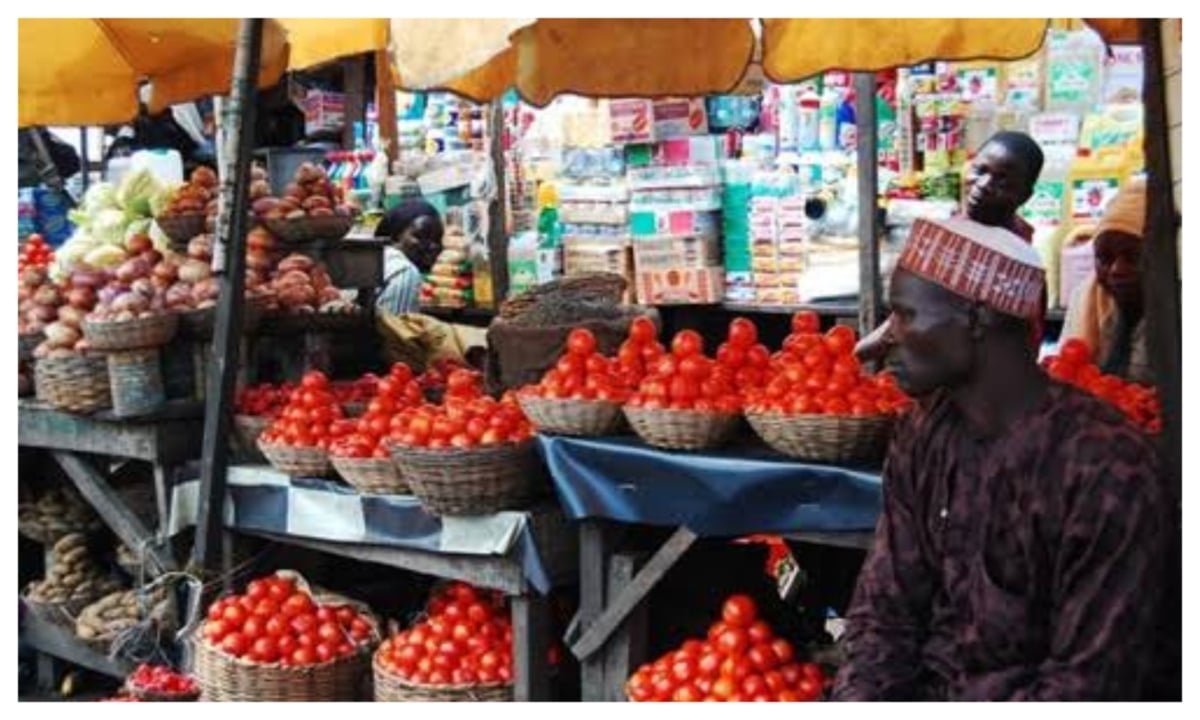
According to the IMF, Nigeria’s economic outlook reflects improved macroeconomic stability and favourable terms-of-trade effects. However, it cautioned that soaring prices of essential goods could worsen poverty and food insecurity.
Nigeria has introduced several economic reforms aimed at addressing structural challenges, although their effects have placed considerable pressure on citizens grappling with the rising cost of living.
The Federal Government implemented reforms in the foreign exchange market and removed the petrol subsidy, which it described as wasteful and vulnerable to corruption, amid mounting fiscal pressures.
While international development and financial institutions have commended the reforms for their potential to improve the country’s fiscal position, many Nigerians have continued to express concerns over rising energy costs, inflation and the high cost of basic necessities.
In its report released on Tuesday, the IMF stated: “Nigeria is supported by improved macroeconomic stability and favourable terms-of-trade effects, though higher prices for essentials are expected to further aggravate poverty and food insecurity.”