
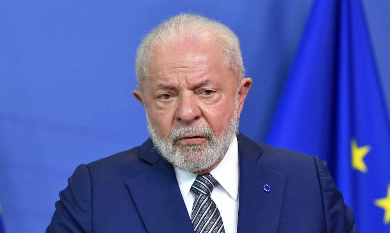
Brazilian President Luiz Inacio Lula da Silva has ordered a ban on sports betting websites operating in the country, days before the presidential election in which he is seeking another term.
The decision comes amid the rapid expansion of the betting industry and growing concerns that gambling has pushed many Brazilians into debt.
Finance Minister Dario Durigan announced the measure on Friday at an event attended by Lula, saying bettors would no longer be able to deposit money into betting platforms operating in Brazil.
“It is no longer possible to deposit money into betting sites in the country,” Durigan said.
The ban is one of several measures announced by Lula ahead of the first round of voting scheduled for October 4. Opinion polls have indicated strong public opposition to the betting industry, which Lula has previously described as a “cancer.”
Brazil’s betting sector expanded significantly after the government introduced a regulatory framework in 2023. The industry has since invested heavily in advertising, with influencers and sports personalities promoting betting services across digital platforms and public spaces.
Betting has also become closely linked to Brazilian football, with 13 of the country’s 20 top-flight clubs reportedly having betting companies as their main shirt sponsors. Football stars such as Neymar and Vinicius Junior have also appeared in betting advertisements.
The government said 85 betting licences had been issued, with each licence carrying a non-refundable fee of 30 million reais ($5.7 million).
Durigan also announced an immediate ban on new advertising agreements involving betting companies. Existing sponsorship and advertising contracts will become invalid after October 6.
“From that date, there will be no site, no application and no legal sponsorship of bets in the country,” he said.
The decision has drawn criticism from Flamengo, one of Brazil’s biggest football clubs, which described the move as a “heavy blow to Brazilian sports” and warned that it could affect youth development, women’s football, Olympic sports and other competitions.
Flamengo argued that companies and institutions had made commitments based on the existing regulatory framework and questioned the decision to overhaul it abruptly.